
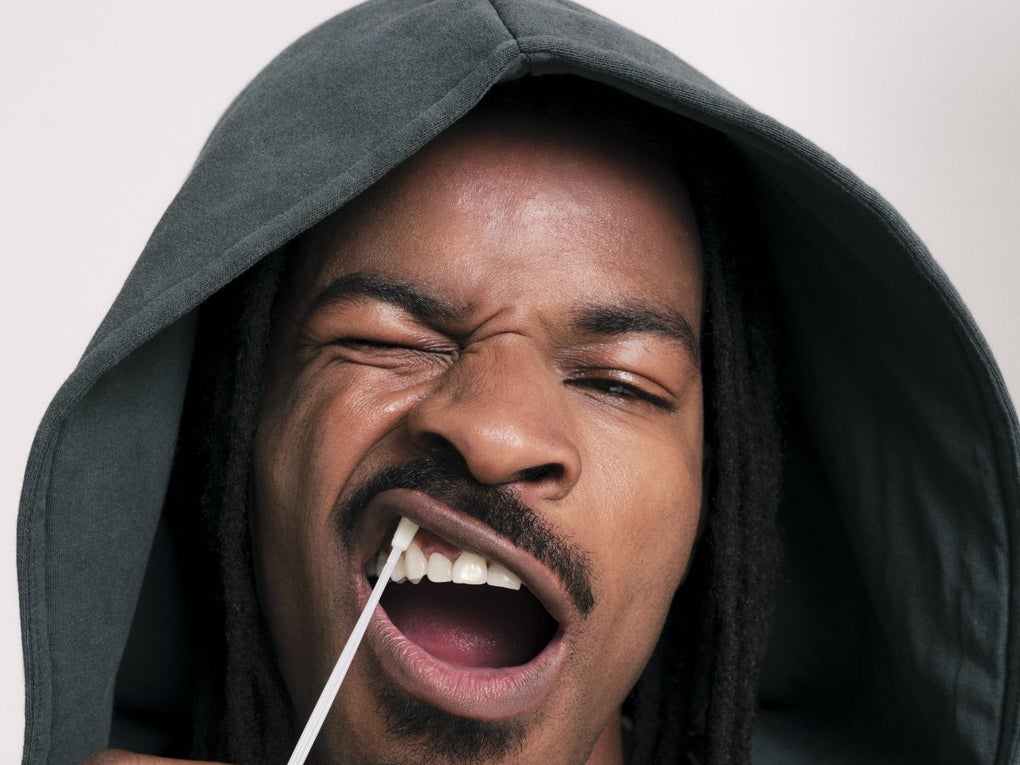
Do The Swab!
Tempted to do the swab?
It really is as easy as the campaign suggests – and it's something small you can do that genuinely matters.
It can often feel pretty hard to make a difference, but joining the stem cell register can have a real impact. Each new person who joins increases the chances of people out their receiving the life-saving stem cell transplant they need. So even if you are never asked to donate, just being on there and ready to help is life changing.
We've put this page together to hopefully answer any more questions you might have about the stem cell register and why it matters.
So go on... stick it in – you could save a life.

The Facts:
- Every 14 minutes, someone in the UK is diagnosed with blood cancer, like leukaemia.
- DKMS is a global charity leading the fight against this by recruiting people to the stem cell register. Think of us as a matchmaking service: we connect donors with patients who need a transplant to survive.
- 4 out of 10 UK patients who are looking for an unrelated donor are unable to find a match like this.
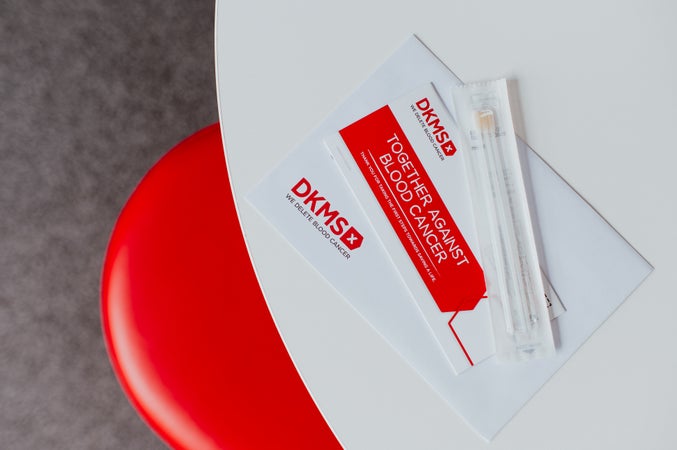
- Anyone between the ages of 16 and 55 can sign up to the stem cell register - it's free and takes 5 minutes.
- Donating stem cells is super easy - most of the time, it is a non-surgical, outpatient procedure where you can go home the same day.
- Young donors lead to better patient outcomes, yet they are under-represented on the register.
- Patients from a minority ethnic background are also less likely to find a match due to the lack of diversity on the stem cell register.

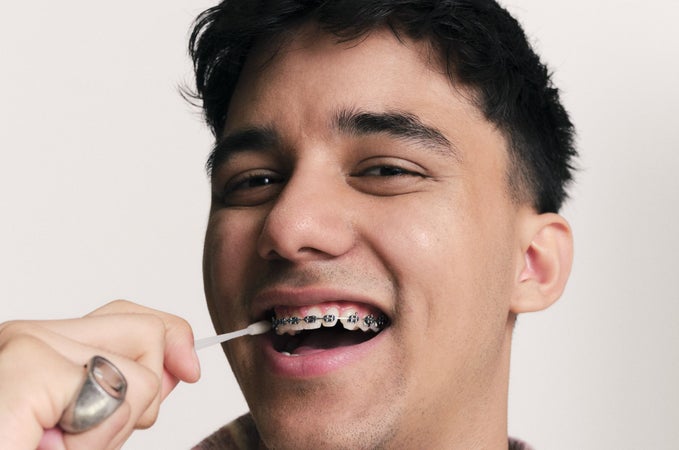

It’s simple: young people’s stem cells work better.
Medical evidence consistently shows that younger donors lead to better patient outcomes. For this reason, medical teams are more likely to select a younger person for donation.
The more young people on the register, the better chances of survival we can give patients. Plus, by adding more young donors, we can grow the pool of potential lifesavers who will be on the register for longer.
For most people, stem cell donation is not painful – it usually just looks like giving blood, but takes a little longer. Most donors may experience minimal discomfort, similar to that of a blood test. Should you be called to donate, your biggest challenge will likely be sitting still for a few hours!
Joining the register does not automatically mean you will donate. In fact, there is a roughly 1 in 800 chance that you will be matched with a transplant patient.
Chances are, you won’t be called to donate. But if you are, you could save a life.
Stem cell donation is very safe. It typically takes around 1-2 weeks to feel fully back to normal after a stem cell donation. From our extensive research, there is no evidence to suggest that donating stem cells has any impact on your long-term health.

“It was so refreshing learning more about DKMS and the mission they’re on - how I could help, and how I could pass that knowledge on to people around me, too. Not just raising awareness, but actually starting conversations.”
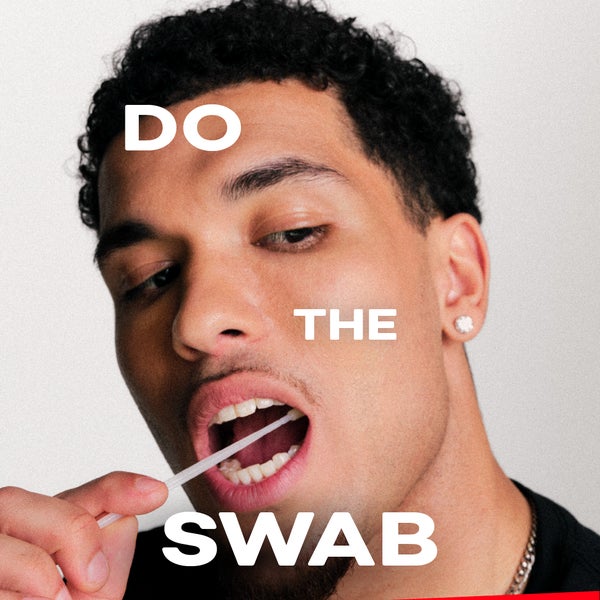
Michael is one of the faces of our campaign- but for him, the mission is personal.
“The earliest moment I remember was during a sickle cell crisis. I didn’t even know what that was at the time. Flying a lot, dehydration, stress on my body - it all built up and triggered it.”
A stem cell transplant can often be a treatment option for people with sickle cell.
By joining the register, you can have a real, positive impact on the lives of people living with blood cancer and blood disorders.

“At the shoot, I was like, I can’t just be the face of this. I’m so privileged to be healthy - I need to do this myself.
“It was super quick and easy - literally just swab your cheeks. Not a horrible throat thing like a Covid test!”
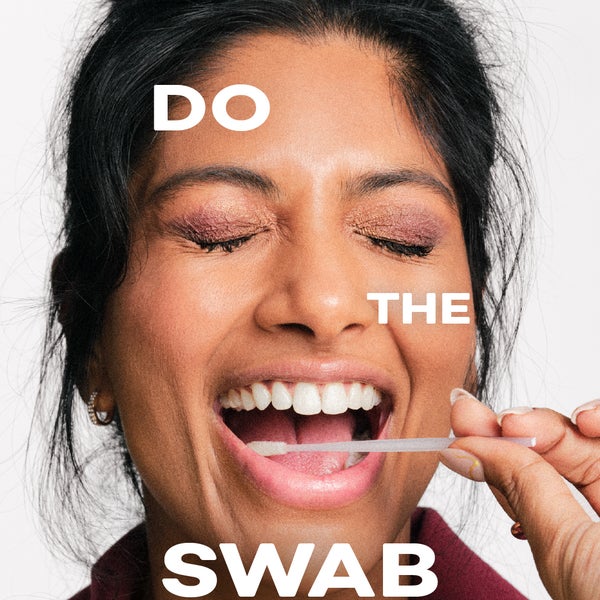
Tilly didn’t just front our campaign... she took it one step further.
She swabbed her cheeks and joined the stem cell register - because why not become a lifesaver while you’ve got the chance?

“Imagine someone you love needing a stem cell donor… and getting that chance because someone, somewhere, signed up.”
During her medical rotations, Sakira saw first-hand how health inequalities affect South Asian and Black communities - and how little awareness there is around things like stem cell registration.
That's why she was so excited to be part of this campaign.
“Growing up, we didn’t see people who looked like us in the media. So now? I’m choosing projects that actually mean something – ones that challenge the norm and create real impact.”
Sakira knows the importance of getting people from minority ethnic backgrounds registered - it literally saves lives.