
The Critical Role of Younger Donors in Saving Lives
If you're a young person considering stem cell donation or a parent supporting this decision, you're looking at becoming part of a scientifically proven solution. Research shows that donor age is the second most critical factor in transplant success after tissue matching.
Choosing a younger donor over an older one can literally be the difference between life and death.
This guide will show you exactly why young donors are so crucial, address safety concerns, and walk you through the simple registration process that could make you someone's hero.
What is the Age Limit for Stem Cell Donation?
Different UK stem cell registries have their own age requirements for new donors:
- DKMS: Takes on new donors aged 16–55 who are generally healthy. If you sign up at 16, your profile will be active once you turn 18. You'll stay on the register until you're 61.
- Anthony Nolan: Accepts donors aged 16–30. They were the first registry worldwide to allow 16-year-olds to join in 2012. Once you're registered, you remain on the register until you're 61.
- NHS British Bone Marrow Registry: Only accepts male stem cell donors aged 17–40. Women in this age group can join if they're from Black, Asian, mixed or minority ethnic backgrounds.
You can stay on most registries until you're 61, but doctors strongly prefer younger donors. The numbers show this clearly: 72% of actual donations come from donors under 40, even though they make up only 35% of all registered donors. This shows that medical teams favour younger donors when choosing matches.
Why Young Donors Save More Lives
The preference for younger donors isn't arbitrary. It's based on compelling medical evidence that consistently shows better patient outcomes.
The Survival Advantage
Research analysing over 10,000 stem cell transplants reveals a stark reality: for every 10-year increase in donor age, there's approximately a 6-7% decrease in patient survival rates two years after transplant. A patient with two matching donors aged 10 years apart would be 3% more likely to be alive two years later if the younger donor were selected.
Why Younger Cells Work Better
As people age, their stem cells lose potency and regenerate poorly. Younger donors provide stem cells that are more robust, divide more effectively and are less likely to carry harmful mutations. Stem cells from older donors also produce fewer infection-fighting lymphocytes, potentially increasing complications for patients.
Real-World Demand
The medical community's preference is clear in the statistics:
- Donors aged 16-25 provide patients with the best chance of survival
- Young men are selected for 54% of all donations despite being underrepresented on registries
- A young man aged 16-30 has a 1 in 200 chance of being chosen to donate in the next five years
- Only 30% of registered donors fall within the medically optimal age bracket of 16-25 years
Does Stem Cell Donation Save Lives?
Absolutely. For many patients, stem cell transplantation is their only chance of survival when all other treatments have failed.
Life-Saving Impact
Since Anthony Nolan launched the world's first stem cell register in 1974, the results speak for themselves:
- Over 22,000 stem cell transplants have been made possible through Anthony Nolan alone
- Around 2,000 people in the UK need a transplant at any given time
- Patients receiving cells from donors under 35 showed 2-year survival rates of 66.4-71.2% compared to 58.2-67.4% for older donors
Conditions Treated
Stem cell transplants treat life-threatening blood cancers and disorders, including leukaemia, lymphomas, multiple myeloma, aplastic anaemia and rare inherited immune conditions. For many patients, finding a matching young donor is the difference between life and death.
The Urgent Need
Despite proven success, there's a critical shortage of young donors. Young people aged 16-39 face some of the worst survival odds when diagnosed with blood cancer. Transplant centres need 30,000 new registrations annually to meet demand and give patients the best possible chance of finding a match.
Is It Safe for Young People?
One of the biggest misconceptions is that stem cell donation is risky for young donors. Research consistently shows the opposite.
Safety for Young Donors
Extensive studies confirm that younger donors not only provide better outcomes for patients but also experience safer, easier donation processes:
- Younger donors have fewer medical complications during donation compared to older donors
- Medical cancellations are lowest for young donors and highest for older donors
- Physical and emotional recovery is significantly better among younger donors
- Complete recovery at one week is more likely for younger donors
- No long-term health risks compared to the general population
What's Actually Involved
There are two stages to stem cell donation: registration and (if matched) the actual donation process.
Registration requires only a simple cheek swab at home to determine your tissue type for patient matching.
Actual donation (if you're ever matched with a patient) involves one of two safe methods:
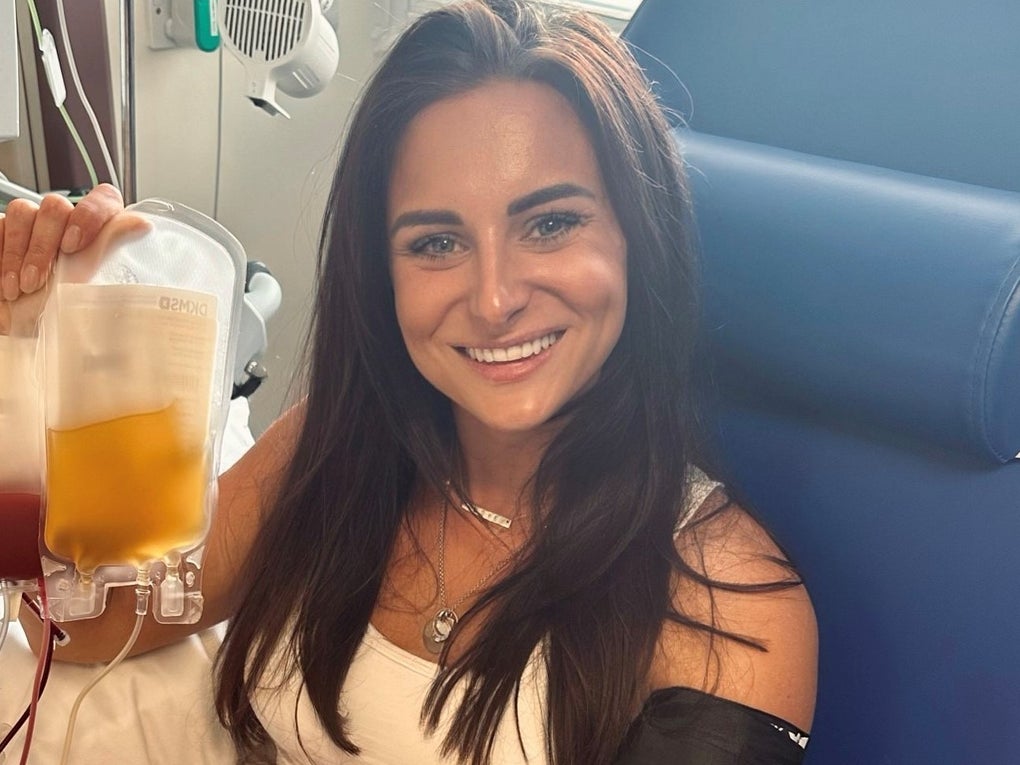
- Peripheral Blood Stem Cell donation (90% of cases): Stem cells are collected from your bloodstream over 4-6 hours, similar to giving blood
- Bone marrow donation (10% of cases): Minor procedure under general anaesthetic with 1-2 days recovery
Common Concerns Addressed
- Pain: Minimal during PBSC donation; bone marrow donation performed under anaesthetic
- Recovery: Typically 1-2 weeks, similar to after intensive exercise
- Future health: No impact on fertility or immune system function
- Time commitment: Initial registration takes 10-15 minutes; actual donation (if ever called) involves a few days over several weeks
Your bone marrow completely regenerates donated stem cells within 2-4 weeks, and you can safely donate up to four times throughout your time on the register.
How to Register as a Young Donor
Registration is straightforward and free. All UK registries are connected, so you only need to join one.
Easiest Option: DKMS UK
The most straightforward path for young donors:
The cheek swab doesn't involve any stem cells - it's simply used to determine your unique tissue type (HLA) so you can be matched with patients who need your specific genetic profile. If you're ever matched with a patient, the actual stem cell donation happens separately through a blood collection process.
The entire registration takes less than 15 minutes, but it could save someone's life for decades to come.
What Happens Next
After registration, your cheek swab sample is analysed to determine your tissue type and your details are added to the international database. You'll simply wait to see if you're ever matched with someone who needs a transplant. Most donors are never called, but for those who are, they become someone's hero.
Support Available
You won't be alone if ever matched:
- 24/7 helpline for questions and support
- Dedicated coordinators to guide you through the process
- Full medical care during any donation
- Financial assistance for travel and time off work
Time Commitment Involved
Understanding the time commitment helps young donors and parents plan appropriately.
- Initial registration: 10-15 minutes online plus a simple cheek swab at home
- If matched with a patient: Additional testing and medical appointments spread over 2-4 weeks
- PBSC donation: One day for medication injections, then 4-6 hours for the stem cell collection from your bloodstream
- Bone marrow donation: Half-day procedure followed by 1-2 days of recovery in the hospital
- Follow-up: Brief check-ups to monitor your recovery
Most donors find the time commitment entirely manageable and are supported by family, employers and educational institutions throughout the process.
Your Next Steps
Your decision to register as a stem cell donor costs nothing, takes minutes, and could save a life. The science is clear: younger donors provide the best chance of survival for patients fighting blood cancer.
Ready to Register?
Visit dkms.org.uk today and take the first step towards potentially becoming someone's lifeline. The entire registration process takes less than 15 minutes of your time, but it represents hope for thousands of patients waiting for a match.


