
Why ethnicity matters for stem cell donation matches
As the genetic markers used for stem cell matching are inherited, a patient is more likely to match with a donor from the same ethnic background.
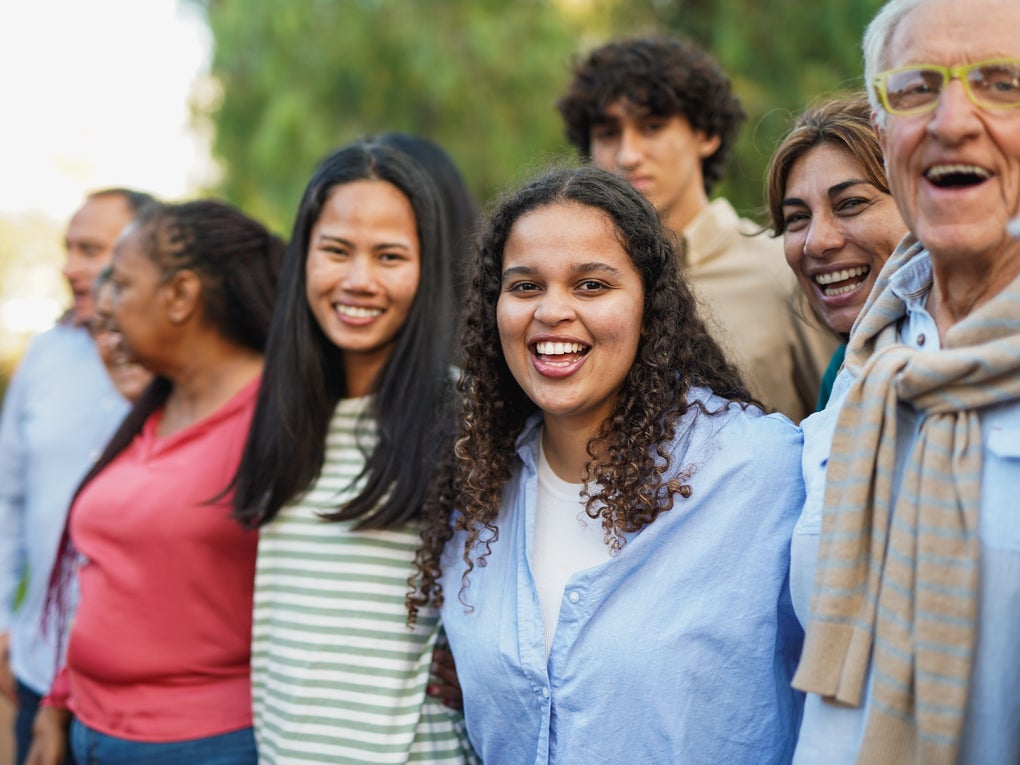
At DKMS, our mission is to ensure that all patients living with blood cancers and blood disorders have equal access to lifesaving care – which means we need a stem cell register that looks like our society.
Why diversity on the stem cell register matters
Only around 30% of patients can find a fully matching donor within their family, meaning most patients end up looking to the stem cell register for an unrelated donor. For people from a minority ethnic background, the search is often more difficult.
Patients from underrepresented backgrounds are less likely to find a suitably matching donor compared to patients from a white, northern European background.
- Just 7% of the UK’s eligible population are registered as potential donors
- Only 16% of registered stem cell donors are from UK minority ethnic backgrounds
This lack of diversity on the stem cell register disproportionately affects patients from these communities.
David and Cezar's story
David and Cezar face challenges too due to their Romanian heritage.
When the brothers (10 months old and 2 years old) were both diagnosed with Wiskott-Aldrich Syndrome, their family’s life was ripped apart. Now, they both need stem cell transplants and are relying on the stem cell register to find matching donors.
What makes their journey even more difficult is that they unfortunately face unequal odds in their search for a donor because of their Romanian background.
Their mother, Marcela, is calling for more people from underrepresented backgrounds and communities to join the register – for her boys, and for all the other children out there struggling to find a match.
Why more donors from all backgrounds are needed
Only 7% of the UK population are on the stem cell register, and of this number, only 16% are from minority ethnic backgrounds. Put simply: the pool of potential donors is simply smaller.
This is why it is so urgent for people from all backgrounds to join the register – you could end up helping someone just like you.