
Direct Contact with the Patient
In many countries, like the UK, there is at least a two-year period of anonymity where it is only possible to contact each other anonymously. Unfortunately, some countries prohibit contact completely.
Whether direct contact between donor and patient is possible depends on the rules of the country of the transplant centre. Following your stem cell donation, the Follow-up Team will share the guidelines of the country your stem cells have gone to.
How to have direct contact
You may be wondering if you want to contact the patient. Whether you would like to make contact is, and remains, your own personal decision. There is no general answer to this question. Every donor or patient is free to decide whether or not they wish to do so.
DKMS will support you in your individual decision-making process and gladly provide you with all the information you need. If you are interested in direct contact with the patient, please contact the Follow-up Team to obtain the necessary consent forms for this process.
The patient will also receive these forms from the transplant centre, and together, you can decide what personal information you’re comfortable sharing. Once DKMS receives the signed consent from both parties, the agreed-upon information can be exchanged.
If the patient is under 18 years old, parental consent will be required for the exchange of addresses, ensuring that everyone feels comfortable and secure.
Meeting in person
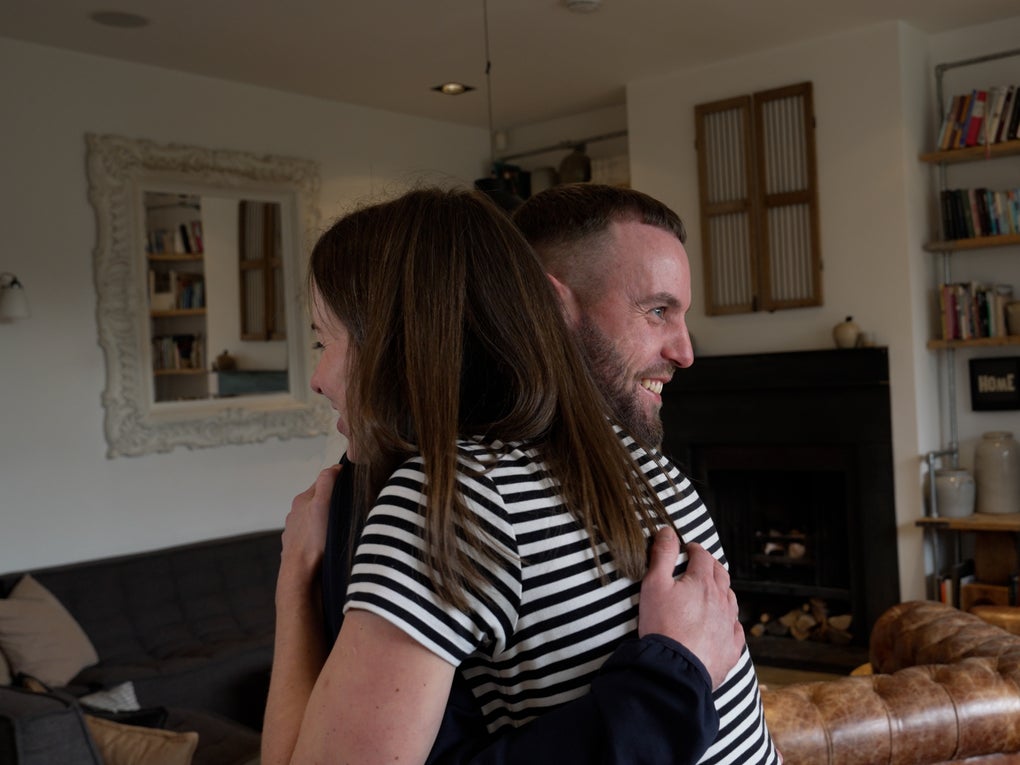
Meeting each other can be an incredibly moving experience.
After all, you are connected in such a profound way. Your donation may be the reason the patient is here today.
If you’re considering reaching out to the patient or if you have any questions, please don’t hesitate to contact us.
Taking the step to meet in person is a big decision, and it’s important that you and the patient both feel ready and comfortable.
Whatever decision you make, we will support you every step of the way.


